Most financial stress doesn’t come from big mistakes—it comes from being unprepared for the unexpected. An emergency fund is what separates short-term setbacks from long-term financial damage. Without one, even a small surprise expense can lead to debt, stress, and stalled progress. This article explains why an emergency fund matters more than most people realize and walks through practical, real-world steps to build one from scratch. Whether starting at zero or rebuilding after a setback, this guide shows how to create financial stability that actually lasts.
Why Most People Are Unprepared for Financial Emergencies
Most people don’t ignore emergencies on purpose. They simply assume they’ll deal with problems when they happen—not before.
That mindset is common, and it’s not a personal failure. Financial education rarely teaches how to prepare for real-world disruptions like job loss, medical bills, car repairs, or urgent home expenses. Instead, most people are taught to focus on income, budgeting, or debt payoff—while emergency planning gets treated as optional or secondary.
The result is a dangerous gap.
When an unexpected expense appears, there is no buffer. Money that was meant for rent, groceries, or bills gets redirected. Credit cards fill the gap. Savings disappear overnight. Stress spikes, and progress stalls.
This lack of preparation affects people at every income level. Earning more does not automatically create protection. Without a system in place, higher income often just means higher fixed expenses—and less flexibility when something goes wrong.
Emergencies don’t announce themselves. They arrive unplanned, inconvenient, and often clustered together. Without a dedicated emergency fund, even small disruptions can create a chain reaction that takes months—or years—to recover from.
That’s why financial stability feels fragile for so many people. It’s not because they aren’t working hard. It’s because they were never shown how to build protection before life demands it.

Why an Emergency Fund Matters More Than Income
Income feels like security—but it isn’t.
Many people believe that earning more money automatically protects them from financial stress. In reality, income only determines how much flows in. An emergency fund determines how well someone absorbs shocks when that flow is interrupted.
That distinction matters.
A job loss, medical issue, reduced hours, or unexpected expense doesn’t care how much someone earns on paper. What matters is whether there is cash set aside to cover essentials without relying on debt or scrambling for solutions.
This is why financial stress shows up across every income bracket. People with high salaries often have higher fixed costs—larger mortgages, car payments, insurance premiums, and lifestyle obligations. When income stops or dips, those obligations don’t adjust. Without an emergency fund, the margin for error disappears immediately.
An emergency fund creates time.
Time to make thoughtful decisions instead of reactive ones.
Time to look for the right job instead of the first available one.
Time to handle a problem without turning it into long-term debt.
Without that buffer, income becomes fragile. One disruption can force choices that undo years of progress—missed payments, high-interest borrowing, or selling investments at the wrong moment.
This is why an emergency fund is more powerful than a raise. Income helps you move forward. An emergency fund keeps you from sliding backward.
Financial stability isn’t built by how fast money comes in—it’s built by how well someone can withstand the moments when it doesn’t.

How an Emergency Fund Changes Financial Decision-Making
Most financial decisions feel harder than they should because they’re made under pressure.
When there is no emergency fund, every choice carries risk. An unexpected expense doesn’t just disrupt a budget—it forces trade-offs. Pay this bill or delay that one. Use credit now or hope nothing else goes wrong. Even small decisions feel heavy because there’s no margin for error.
An emergency fund removes that pressure.
With cash set aside, decisions slow down—in a good way. Problems can be evaluated instead of reacted to. Instead of asking, “How do I survive this?” the question becomes, “What’s the smartest way to handle this?”
This shift changes everyday behavior.
People with an emergency fund are less likely to rely on high-interest debt. They don’t need to justify poor financial choices just to stay afloat. Bills get paid without panic. Temporary setbacks stay temporary.
It also affects long-term decisions.
When financial pressure is reduced, people make better choices about work, spending, and opportunities. They can decline bad offers, negotiate with confidence, and plan ahead instead of constantly catching up. Financial decisions become intentional instead of defensive.
Even emotional stress decreases.
Money stops dominating mental energy. Sleep improves. Focus improves. Conversations about money become calmer because urgency is removed from the equation.
An emergency fund doesn’t just protect finances—it protects decision quality.
And better decisions, repeated over time, are what actually build financial stability.

What a Real Emergency Fund Looks Like (Not $1,000)
For years, $1,000 has been treated as the gold standard for emergency savings. While having any savings is better than none, that number creates a false sense of security.
A real emergency fund isn’t based on a round number—it’s based on reality.
Most emergencies cost more than $1,000. A major car repair, a medical bill, or even a short period of lost income can wipe out that amount almost instantly. When that happens, people are right back where they started, forced to rely on credit or drain other savings just to stay afloat.
A real emergency fund is designed to cover time, not just expenses.
That’s why financial stability is measured in months, not dollars. The goal is to have enough cash to cover essential living costs if income stops or drops unexpectedly. For most people, that means having several months of expenses set aside—not a single transaction’s worth.
This doesn’t mean everyone starts there.
Emergency funds are built in stages. The first goal is creating breathing room. The long-term goal is resilience. Each stage reduces risk and increases flexibility, even before the final number is reached.
What matters most is that the emergency fund matches real life—not advice meant to sound simple.
When savings are tied to actual expenses, emergencies stop feeling catastrophic. They become manageable disruptions instead of financial disasters.
That’s the difference between having savings and having a safety net.

How to Build an Emergency Fund Step by Step
Building an emergency fund doesn’t require perfect timing, a high income, or radical lifestyle changes. What it requires is a clear system and consistency. The goal is to create protection first, then strengthen it over time.
Below is a practical framework that works whether someone is starting from zero or rebuilding after using their savings.
Find Your Emergency Fund Number
An emergency fund should be based on essential monthly expenses, not income.
Start by listing necessities: housing, utilities, groceries, transportation, insurance, and minimum debt payments. Add those numbers together to find one month of required expenses. Then multiply that amount by six.
That number represents a fully built emergency fund.
If that total feels overwhelming, that’s normal. The purpose of calculating it isn’t pressure—it’s clarity. Knowing the target turns an abstract idea into a specific goal.
The starting point doesn’t need to be six months. Many people begin with smaller milestones, such as $500 or one month of expenses. Each level creates more stability than the last.
Progress matters more than speed.
Use a Separate Savings Account
Emergency funds should be kept separate from everyday spending money.
A dedicated high-yield savings account creates both physical and psychological distance from checking accounts. This separation reduces the temptation to use emergency savings for non-urgent purchases and protects progress over time.
Accessibility still matters. The account should be easy to reach during a real emergency, but not so connected that money flows in and out casually.
This structure makes the emergency fund feel purposeful—because it is.
Automate Contributions
Consistency is more important than contribution size.
Automatic transfers remove decision-making from the process. Even small amounts—$25 or $50 per paycheck—add up faster than expected when saving happens automatically.
Automation turns emergency funding into a background system instead of a constant willpower test. Once the habit is established, increases can be made gradually as income or expenses change.
Saving becomes something that happens by default, not something that has to be remembered.
Track Progress and Milestones
Emergency funds grow best when progress is visible.
Small wins—$100, $500, $1,000—build momentum and reinforce consistency. Each milestone represents reduced risk and increased stability, even before the final goal is reached.
Tracking progress also creates accountability. When people can see movement, they are more likely to stay committed during slower periods.
Momentum builds confidence, and confidence keeps the system running.
Use the Fund Only for True Emergencies
An emergency fund works only if its boundaries are clear.
True emergencies include job loss, medical expenses, urgent repairs, or essential costs that cannot be delayed. Sales, upgrades, and discretionary spending don’t qualify.
Using the fund correctly is not failure—it’s success. The purpose of the fund is to absorb shocks so other financial goals don’t collapse under pressure.
Clear rules protect the fund’s purpose.
Rebuild After Use
Using an emergency fund doesn’t mean starting over—it means the system worked.
After the emergency passes, contributions should resume as soon as possible. Rebuilding is often faster the second time because the habit, structure, and confidence are already in place.
Each rebuild strengthens long-term stability and reinforces financial resilience.
Emergency funds aren’t about avoiding problems. They’re about being prepared when problems happen.

How an Emergency Fund Creates Long-Term Financial Stability
Financial stability isn’t built by avoiding problems—it’s built by being prepared for them.
An emergency fund changes the role money plays in everyday life. Instead of reacting to uncertainty, people with a safety net operate from a position of control. Unexpected expenses no longer derail progress. Temporary setbacks stay temporary.
This stability compounds over time.
When emergencies are handled with cash instead of debt, interest doesn’t erode future income. Financial goals remain intact. Savings and investing plans don’t need to be paused every time life interrupts.
Decision-making improves as well.
With a financial buffer in place, choices are driven by long-term priorities instead of short-term pressure. People can make career decisions based on fit, not fear. They can plan ahead without constantly worrying about the next surprise.
Even emotional stress declines.
Money stops being a constant source of background anxiety. Sleep improves. Focus improves. Relationships benefit when financial tension is reduced. Stability creates space—for clarity, confidence, and forward momentum.
An emergency fund is not a finish line. It’s a foundation.
Once it’s in place, everything else becomes easier to build. Savings grow more consistently. Investing becomes more sustainable. Financial progress stops feeling fragile.
That’s why an emergency fund isn’t just a savings account—it’s the system that supports every smart financial move that comes next.
Take Action: Build Your Emergency Fund the Right Way
Reading about financial stability is helpful.
Building it is what actually changes things.
An emergency fund doesn’t need to be complicated—but it does need structure. Knowing how much to save, where to keep it, and how to build it automatically removes guesswork and makes progress sustainable.
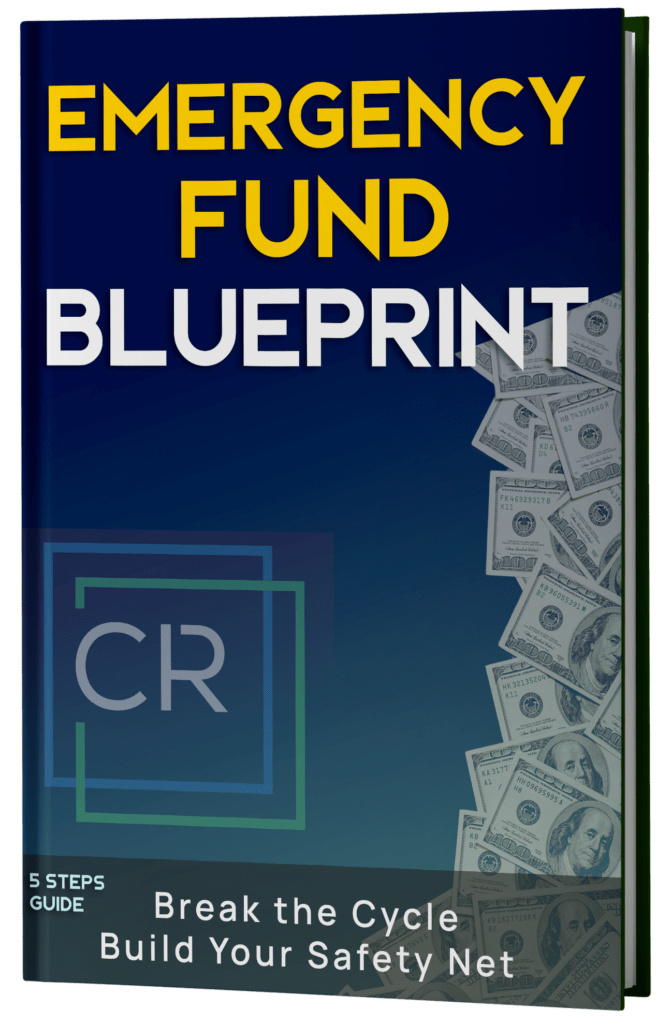
To help with that, Capital Refined created a free resource called The Emergency Fund Build Formula.
This step-by-step guide walks through:
- How to calculate the right emergency fund amount
- Where to store your emergency savings safely
- How to automate contributions so saving happens consistently
- How to rebuild quickly if the fund is ever used
No apps to manage. No complex rules. Just a clear system that works in real life.
👉 Download the Emergency Fund Build Formula for free and start building real financial protection today. An emergency fund isn’t about fear—it’s about freedom.
The sooner it’s in place, the sooner financial progress stops feeling fragile.
For more tips follow us on our YouTube Channel