
Being broke doesn’t just feel stressful — it quietly makes everyday life more expensive. Fees hit harder, interest rates climb, and small timing issues turn routine expenses into financial setbacks. This isn’t about poor discipline or bad habits. It’s what happens when money lacks margin. Without a buffer, the financial system charges more at every step, making stability harder to reach and easier to lose. This article explains why being poor is so expensive, how these costs compound, and what actually reduces the pressure so progress can begin.
Why Being Poor Is More Expensive by Design
Financial hardship is often explained as a budgeting problem — something fixed with tighter discipline, better habits, or more effort. But that explanation misses what’s actually happening.
When money lacks margin, life costs more.
A bill posting a day early can trigger fees. A low balance can turn routine spending into penalties. Limited access forces people into worse options at higher prices. Even the timing of a paycheck can become a financial liability. None of this reflects motivation or intelligence. It reflects exposure.
Scarcity removes flexibility. And when flexibility disappears, prices rise.
This is why being poor is so expensive. Not because people don’t try hard enough, but because the system charges more at every step when there’s no buffer. Fees, interest, deposits, and missed opportunities compound quietly, keeping progress fragile and setbacks frequent.
As soon as stability improves — even modestly — the experience changes. Fees fade. Interest rates drop. Options expand. The same system that punishes scarcity begins to reward predictability.
What follows breaks down the specific ways this pressure shows up — and why reducing these costs is the fastest path out of the paycheck-to-paycheck cycle.
The Fee Trap
One of the clearest reasons why being poor is so expensive is the way fees accumulate when there is no financial margin. These charges are not rare mistakes or edge cases. They are a predictable outcome of operating with tight balances and rigid timing.
A checking account that dips slightly below zero can trigger a $30–$35 overdraft fee. If several transactions clear while the balance is negative, each one may generate an additional charge. A bill posting a few hours before a paycheck arrives can turn a routine expense into a chain of penalties that consumes a meaningful share of the month’s income.
For households with savings, these situations barely exist. Balances absorb timing differences automatically. For those living paycheck to paycheck, timing itself becomes a liability. Everyday spending carries the ongoing risk of punishment.
This is not about carelessness. It is about exposure. The system charges the highest penalties precisely when people have the least ability to absorb them. Scarcity is monetized through fees.
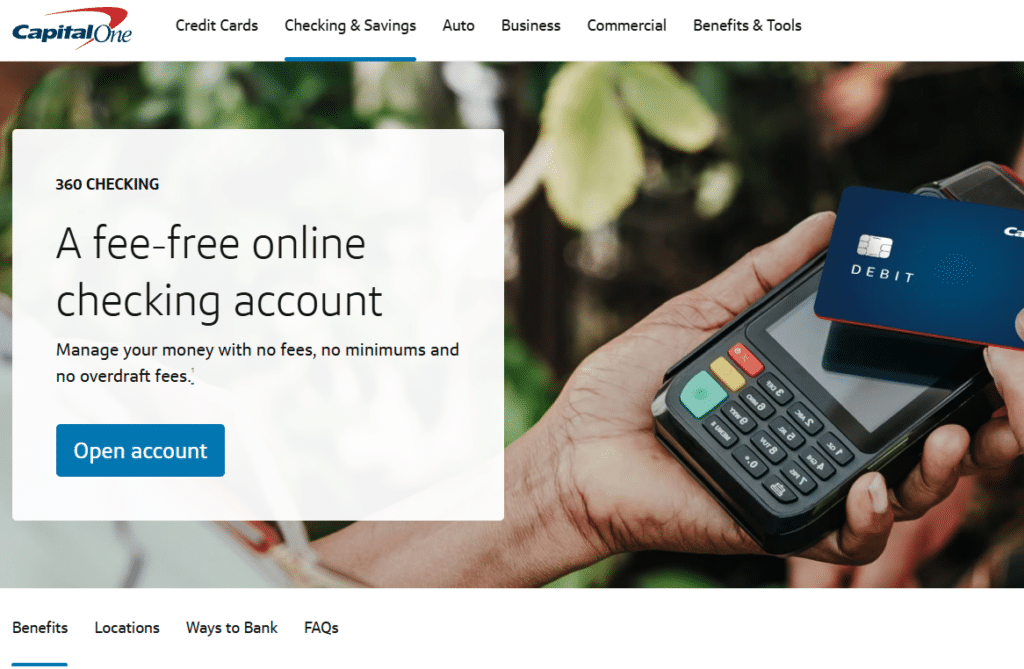
Reducing this pressure is not about tracking every dollar or perfect budgeting. It is about removing the conditions that allow fees to exist. A small buffer kept separate from daily spending eliminates most overdraft risk. Aligning bill dates with income cycles reduces friction. Accounts with grace periods or fee-free policies remove entire categories of penalties.
When the fee trap disappears, progress accelerates immediately. Money stops leaking out through avoidable charges, and each paycheck stretches further — not because income changed, but because the system stopped charging extra just to function.
The Credit Trap
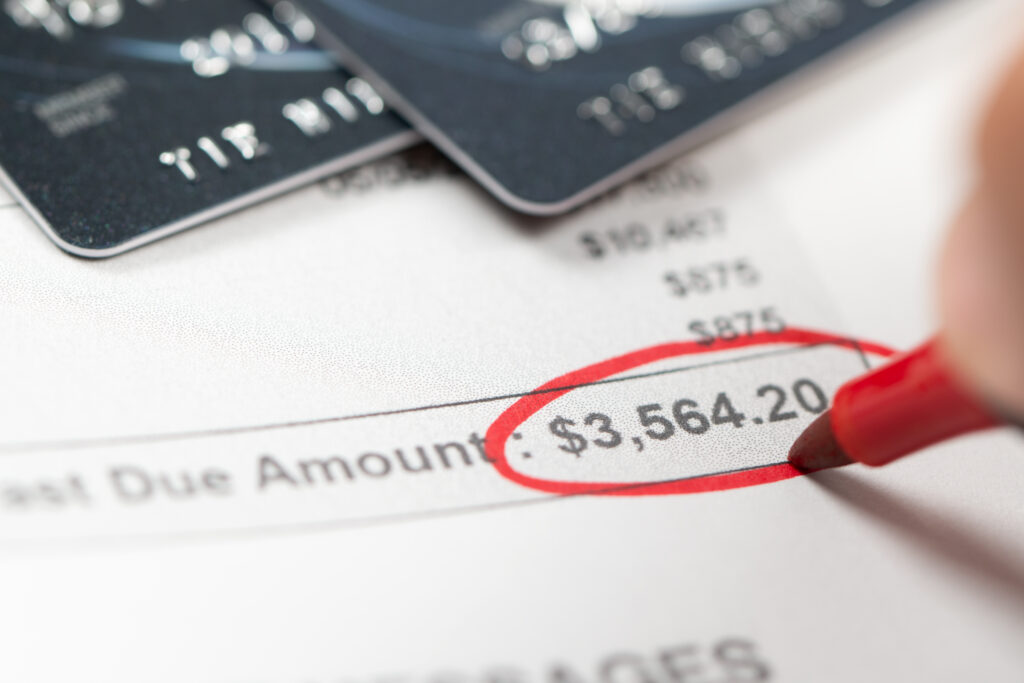
When money is tight, borrowing becomes dramatically more expensive. This is one of the most punishing ways the system reinforces instability.
People with strong credit are offered low interest rates and flexible terms. People without it are charged significantly more for the same dollar borrowed. The difference is not responsibility or effort. It is access.
At interest rates above 20%, even small balances become long-term burdens. A modest credit card balance can take years to eliminate when only minimum payments are made, with hundreds or thousands of dollars lost to interest alone. Progress slows not because payments stop, but because the structure works against the borrower.
High interest reduces cash flow. Reduced cash flow increases reliance on credit. Utilization rises, credit scores weaken, and the next borrowing need becomes even more expensive. Each turn of the cycle makes escape harder.
This is why being poor is so expensive when credit is involved. The cost is not just the interest paid today, but the way expensive borrowing blocks future flexibility.
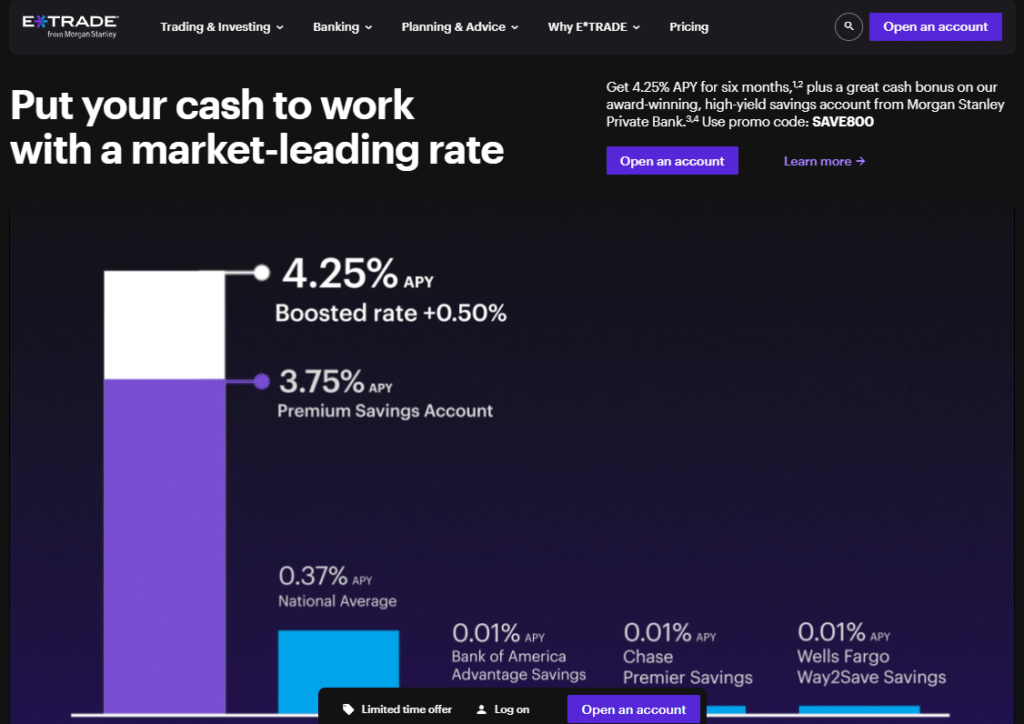
Breaking this trap does not require complexity. It requires stability. Using a single credit account for predictable expenses and paying it in full builds history without interest. Over time, rates fall, terms improve, and credit shifts from a penalty into a tool.
Interest is the price of limited options. As options expand, that price drops.
The Rent Premium
Housing becomes more expensive when flexibility is limited. This is how the rent premium shows up.
People with little savings or weak credit are often required to pay higher security deposits, application fees, and stricter lease terms. They have fewer choices, less negotiating power, and limited ability to move when costs rise. The result is paying more for the same space, with fewer protections.
This does not mean renting itself is the problem. Many financially stable households rent by choice. The difference is margin. When savings exist, renting offers flexibility. When they don’t, renting becomes restrictive and costly.
High rent absorbs income before it ever has a chance to stabilize. When too much of a paycheck goes to housing, there is little room to absorb disruptions. Repairs, medical bills, or income gaps force reliance on credit or delay progress elsewhere.
This is another reason why being poor is so expensive. Housing costs don’t just take money — they reduce options. And fewer options almost always mean higher prices.
Reducing this pressure is about proportion, not ownership. Keeping housing costs low relative to income restores breathing room. As margin returns, housing stops being a financial weight and becomes a strategic choice instead of a forced one.
The Access Penalty
When money is tight, access shrinks. And when access shrinks, costs rise.
Without reliable transportation, people are often forced to shop where they can, not where prices are lowest. Nearby convenience stores replace larger grocery options. Limited selection and higher prices become the default, not because of preference, but because reaching better options isn’t possible.
Healthcare follows the same pattern. Without savings or consistent coverage, routine care is delayed. Small issues go untreated until they become emergencies, and manageable costs turn into large bills. The higher price isn’t caused by neglect — it’s caused by lack of access at the right time.
Financial services reflect this penalty as well. Without minimum balances or established credit, people are pushed toward products with higher fees and worse terms. Basic participation becomes more expensive simply because better options are unavailable.
This is why being poor is so expensive in everyday life. Fewer choices almost always mean higher prices.
Reducing this penalty doesn’t require wealth. It requires margin. Even small reserves restore access — the ability to plan ahead, compare options, and choose lower-cost paths. As access improves, everyday expenses drop, not because prices change, but because better decisions become possible.
The Income Instability Tax
When income is unpredictable, costs rise — even if total earnings are reasonable.
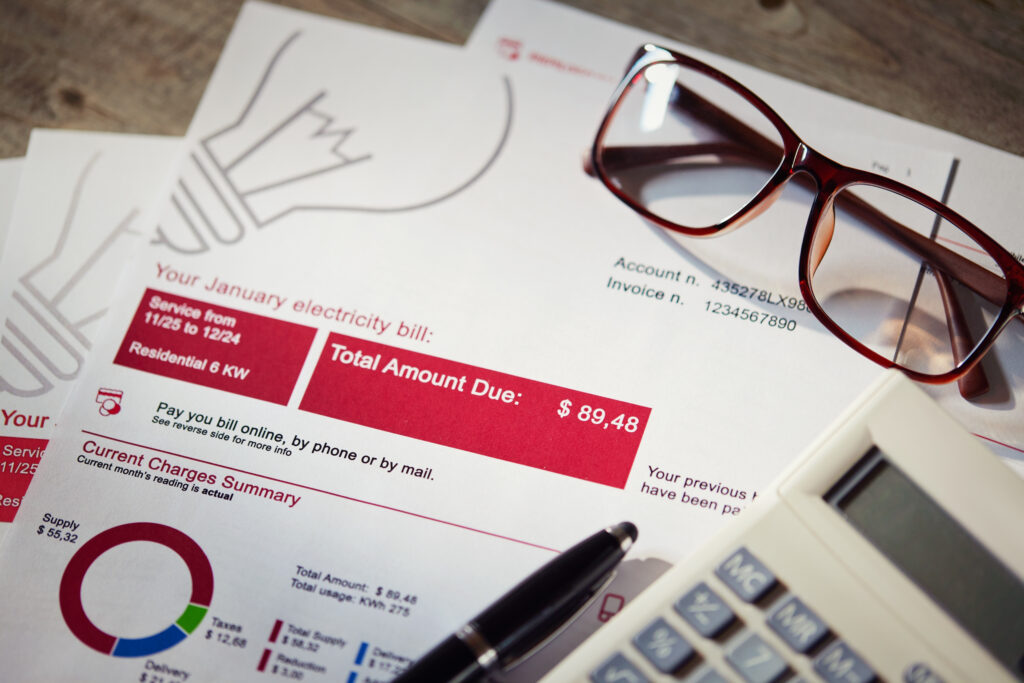
Bills arrive on fixed dates. Rent, utilities, insurance, and minimum payments don’t adjust to fluctuating pay. When a paycheck comes late or varies week to week, timing becomes the problem. A delay of a few days can trigger late fees, overdrafts, or interest charges that would not exist with stable cash flow.
This pressure forces defensive decisions. Payments are delayed to preserve cash. Short-term credit fills gaps. Payday loans, cash advances, or high-interest cards become tools of survival rather than choice. The cost isn’t caused by overspending. It’s caused by misalignment.
Someone with steady income rarely sees these penalties. Bills are automated. Due dates are predictable. Financial friction stays low, even at similar income levels. The difference isn’t responsibility. It’s predictability.
This is another reason why being poor is so expensive. Irregular income turns normal expenses into risks, and risk carries a price.
Reducing this pressure starts with smoothing cash flow. Separating fixed expenses from variable spending, aligning due dates with income cycles, and building even a small buffer lowers exposure immediately. A few hundred dollars of reserve can eliminate most timing-based penalties.
Stability reduces cost. Predictability lowers pressure. When income stops arriving late, money stops leaking out through avoidable penalties.

The Opportunity Gap
When money is tight, the cost isn’t limited to what you pay today. It’s also what you can’t access tomorrow.
Without margin, surplus never appears. That means missed employer retirement matches, delayed investing, postponed training, and skipped opportunities that could raise income over time. None of these losses show up as a bill, but they compound quietly in the background.
Two households can earn similar incomes and end up in very different places. One has enough buffer to invest early, accept short-term risk, or take advantage of benefits. The other is forced to focus entirely on survival. The difference isn’t knowledge or ambition. It’s capacity.
Even routine emergencies reveal this gap. A household with savings pays cash for a repair. A household without it finances the same expense at high interest. The purchase is identical. The outcome is not.
This is why being poor is so expensive over the long run. When money can’t participate, it can’t compound. Progress stalls not because people choose to wait, but because waiting is the only option.
Closing this gap starts small. Setting aside modest amounts consistently creates participation. Once money begins working — through avoided interest, employer matches, or compounding — momentum builds. The system starts rewarding stability instead of penalizing scarcity.
The Time Poverty Penalty
The most expensive cost of being poor isn’t always measured in dollars. It’s measured in time.
Living without financial margin forces constant attention. Every bill, balance, and due date demands mental energy. Decisions that should be routine become sources of stress. Planning gives way to reacting, and reacting consumes time that can’t be recovered.
This pressure spills into everything else. Chronic financial stress reduces focus, increases exhaustion, and limits long-term thinking. Time that could be used to build skills, improve health, or strengthen relationships is spent managing shortfalls and emergencies.
People with stability experience time differently. Bills run automatically. Savings absorb disruptions. Mental space opens up for higher-value decisions. The same 24 hours exist, but they aren’t spent in survival mode.
This is why being poor is so expensive beyond money. Time poverty compounds. Stress leads to fatigue. Fatigue leads to worse decisions. Worse decisions increase cost and pressure, restarting the cycle.
Reducing this penalty doesn’t require wealth. It requires relief. Removing even one major stressor — overdraft risk, late fees, high-interest debt — returns time immediately. As pressure drops, decision quality improves, and progress accelerates.
Buying Back Control
The real cost of poverty is cumulative. Each fee, penalty, and missed opportunity reduces choice. Over time, money stops functioning as a tool and becomes a source of constant pressure.
Escaping that pressure doesn’t happen all at once. It happens incrementally. Every overdraft avoided, every high-interest balance reduced, and every buffer built restores options. Less pressure leads to better decisions. Better decisions reduce costs further. Momentum replaces survival.
Wealth isn’t an amount. It’s a condition. It’s the ability to choose rather than react. To plan instead of scramble. To invest time and energy where they matter most.
Once the penalties stop stacking against you, progress accelerates naturally. Money begins to support life instead of controlling it. The goal isn’t to win overnight. It’s to stop paying extra just to exist — and to reclaim the time, focus, and stability that make everything else possible.
A Clear Next Step
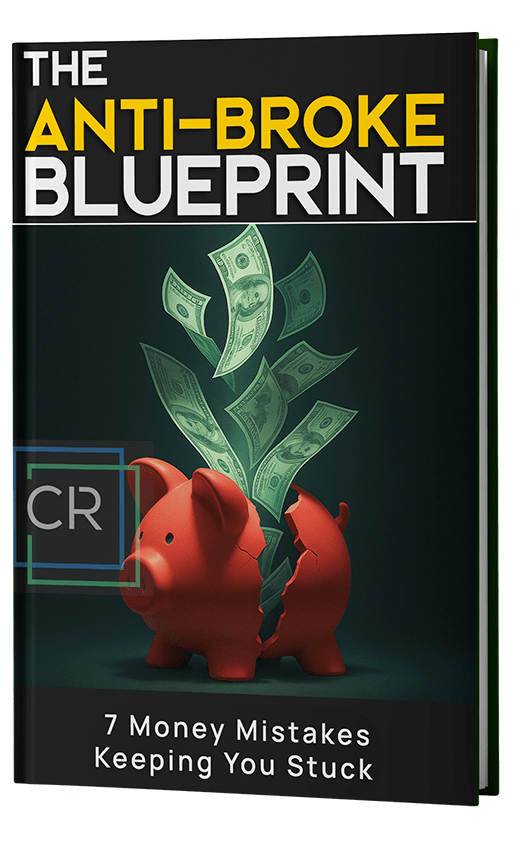
Understanding why life becomes more expensive without margin is important — but insight alone doesn’t change outcomes. Progress begins when the penalties stop draining your cash flow and stability becomes the priority.
The fastest way to do that is by building structure before strategy.
The Anti-Broke Blueprint is designed to help you eliminate fees, avoid high-interest traps, and stabilize your money so every paycheck stops working against you. It focuses on reducing pressure first — because saving, investing, and long-term planning only work once the chaos is removed.
This isn’t about doing everything at once or following complicated rules. It’s about making the first moves that lower stress immediately and compound over time.
If you’re tired of paying extra just to exist, start here.
Stability changes everything — and once it’s in place, progress accelerates on its own.
Also Read: How Much Should You Save From Every Paycheck? (The Real Number That Works)
For more tips follow us on our YouTube Channel