
Most people know they need an emergency fund—but far fewer know where it should actually be kept. Put it in the wrong place, and it either disappears through spending, loses value, or becomes inaccessible when life hits. This guide breaks down the safest and smartest places on where to keep your emergency fund so it stays protected, easy to access, and quietly growing. You’ll also learn the most common mistakes that sabotage emergency savings—and how to avoid them—so your financial safety net actually works when you need it most.
Why Where You Keep Your Emergency Fund Matters More Than Saving It
Most people think the hardest part of building an emergency fund is saving the money.
It’s not.
The real problem—and the reason many emergency funds fail—is where that money is kept.
When emergency savings sit in the wrong place, one of three things usually happens:
the money gets spent, loses value, or becomes hard to access when it’s actually needed.
Many people keep their emergency fund in a checking account because it feels convenient. But checking accounts are built for spending, not protection. When emergency money sits next to everyday expenses, it’s easy to dip into it for things that aren’t true emergencies—until the safety net quietly disappears.
Others try to be “smarter” and place emergency savings into investments or restrictive accounts. On paper, this looks productive. In reality, it introduces risk, delays, or penalties—exactly when certainty and speed matter most.
Emergencies don’t wait.
A car repair.
A medical bill.
A sudden loss of income.
In those moments, access and stability matter more than returns.
This is why where an emergency fund lives is just as important as having one at all. A properly placed emergency fund must do three things at the same time:
- Stay safe from loss
- Be accessible when needed
- Avoid temptation during normal spending
If even one of those fails, the entire system breaks down.
That’s also why so many people end up relying on credit cards during emergencies—even when they believe they’ve been saving. The issue isn’t always the amount saved. It’s the structure behind it.
Nearly half of Americans would struggle to cover a $1,000 emergency without borrowing. That’s not just a savings problem—it’s a systems problem.
The good news is that once emergency savings are placed correctly, the fund becomes far more effective without requiring more discipline or effort.
The next step is understanding what actually works—and why most advice stops one step short.

Why Most Emergency Fund Advice Breaks Down
Most emergency fund advice sounds simple:
“Save three to six months of expenses and put it somewhere safe.”
The problem is that this advice stops too early.
It explains how much to save—but not where that money should actually live in a way that works under real-life pressure.
As a result, many emergency funds fail even when people follow the rules.
Some end up keeping the money too close, usually in checking, where it slowly disappears through everyday spending. Others try to be more strategic and place emergency savings into investments or restrictive accounts, only to discover the money isn’t accessible when it’s needed.
Both approaches miss the point.
An emergency fund is not about maximizing returns.
It’s about maximizing certainty.
When emergencies happen, the money must be there, intact, and available—without risk, delays, or penalties. Any setup that compromises that defeats the purpose of the fund.
This is why so many people feel like they’re “doing everything right” and still rely on credit cards during emergencies. The issue isn’t discipline—it’s structure.
The solution isn’t saving more.
It’s choosing the right place for emergency savings—based on how emergencies actually work.
The Three Non-Negotiable Rules Your Emergency Fund Must Follow
Before choosing where to keep an emergency fund, the rules need to be clear.
If emergency savings don’t meet all three of these criteria, the system will eventually fail.
1. It Must Be Safe
Emergency money should never be exposed to market risk.
No volatility. No chance of loss.
If the value can drop when the economy or markets decline, it does not belong here.
2. It Must Be Accessible
An emergency fund only works if it can be reached quickly.
No penalties. No waiting weeks. No complicated steps.
When something breaks, the money needs to be available without friction.
3. It Should Still Earn Something
While growth isn’t the goal, letting emergency cash earn some interest matters.
Over time, even modest returns help offset inflation and preserve buying power.
Most people accidentally optimize for only one of these rules—and break the others.
Too accessible? It gets spent.
Too locked up? It’s useless in a crisis.
Too risky? It disappears at the worst possible moment.
The right setup balances all three at once.
Now that the rules are clear, the next step is identifying the options that actually meet them—and separating smart choices from costly mistakes.

The Best Place to Keep an Emergency Fund for Most People
For most people, the best place to keep an emergency fund is a high-yield online savings account.
This option checks all three non-negotiable rules: safety, accessibility, and modest growth.
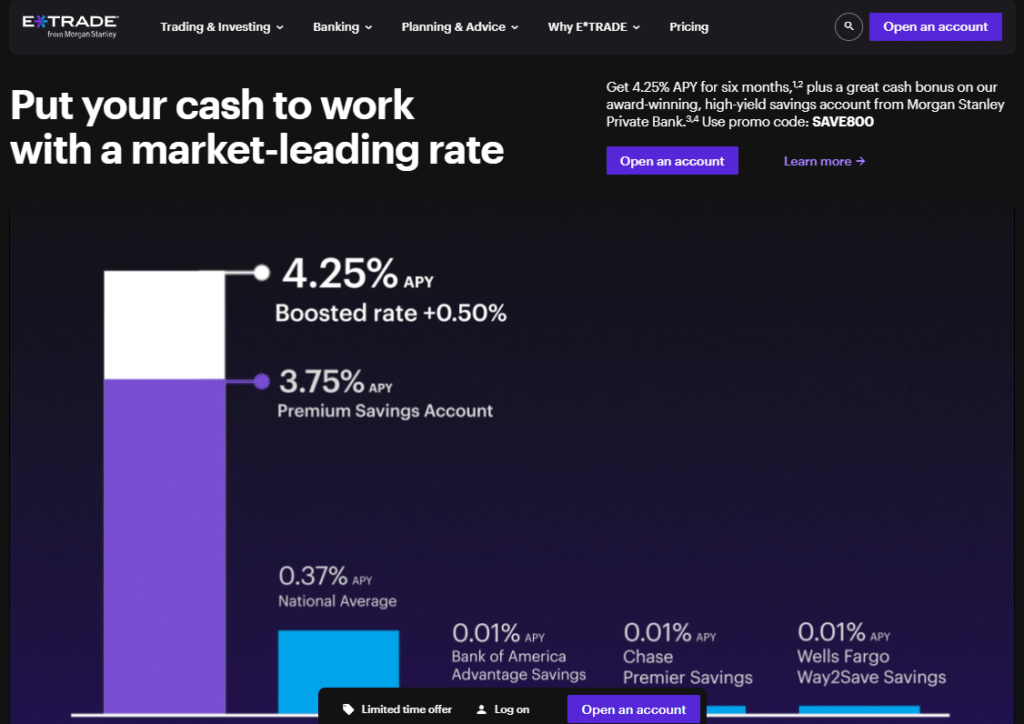
Unlike traditional savings accounts at big banks—which often pay close to 0%—high-yield online savings accounts typically offer much higher interest rates. While rates change over time, they are consistently far better than what most brick-and-mortar banks provide.
That difference matters.
A higher interest rate won’t make an emergency fund exciting—but it does help preserve purchasing power and reduce the silent drag of inflation. Over several years, the gap between earning almost nothing and earning a few percent adds up.
Just as important, these accounts are insured. High-yield savings accounts offered by reputable online banks are protected up to standard limits, meaning the money is not exposed to market risk. When emergencies happen, the balance is still there.
Accessibility is another key advantage. Funds can typically be transferred to a checking account within one business day, sometimes sooner. That’s fast enough for the overwhelming majority of real-life emergencies—without encouraging impulse spending.
There’s also a behavioral benefit.
Because high-yield savings accounts are usually separate from everyday checking accounts—and often don’t come with debit cards—the money is less tempting to touch. This simple separation dramatically reduces the chance of “borrowing” from emergency savings for non-emergencies.
Many well-known institutions offer high-yield savings options, including Ally, Capital One, SoFi, and Robinhood, among others. The specific provider matters less than the structure: low fees, competitive rates, and easy transfers.
The goal here isn’t optimization—it’s reliability.
A high-yield savings account keeps emergency money safe, accessible, and quietly working in the background, without requiring constant attention or discipline.
For many people, this single change is enough to make their emergency fund finally stick.
The Hybrid Emergency Fund Strategy (Fast Access + Higher Returns)
For people who want same-day access and better long-term efficiency, the hybrid approach works best.
This strategy splits the emergency fund into two layers, each with a specific role.
Layer 1: Immediate Access Cash
Keep about one month of expenses in a local savings account tied to your regular bank or credit union.
This money is for true same-day issues—card problems, urgent repairs, or short-term cash needs. The goal here isn’t yield; it’s speed and peace of mind.
Layer 2: Core Emergency Fund
Keep the remaining three to five months of expenses in a high-yield online savings account.
This money is still easily accessible within a day or two, but it earns more interest and stays out of daily sight—reducing the risk of casual spending.
Why this works:
- You’re covered for immediate emergencies
- Most of your emergency money earns more interest
- Temptation is reduced without sacrificing access
This structure reflects how emergencies actually happen. Most issues don’t require instant cash—but when they do, having a small local buffer prevents stress and bad decisions.
Once set up, this system is easy to automate and maintain. The emergency fund grows quietly in the background, doing its job without constant oversight.

Common Emergency Fund Mistakes That Undermine Security
Even people who save consistently can weaken their emergency fund by making a few common mistakes.
Mistake #1: Keeping Emergency Money in Checking
Checking accounts are designed for spending. When emergency savings sit next to everyday money, they’re easy to dip into for non-emergencies—until the fund slowly disappears.
Mistake #2: Investing Emergency Savings
Stocks, ETFs, and other investments can lose value at the worst possible time. An emergency fund is insurance, not a growth tool. If it can drop in value, it doesn’t belong here.
Mistake #3: Locking Funds Behind Penalties
CDs or restricted accounts may offer better rates, but emergencies don’t wait. Penalties, delays, or locked terms defeat the purpose of emergency savings.
Mistake #4: Holding Too Much Cash at Home
Cash at home isn’t insured and can be lost to theft, damage, or simple misplacement. A small amount for short-term needs is fine—but never the full emergency fund.
Avoiding these mistakes is just as important as choosing the right account. A strong emergency fund protects you without requiring perfect behavior.
Where to Keep Your Emergency Fund—Take Action Now
At this point, the takeaway is clear.
An emergency fund only protects you if it’s set up before something goes wrong. If your money is sitting in the wrong place right now, it’s either exposed, slowly shrinking in value, or too easy to use for the wrong reasons.
That’s not a theory—that’s how most financial emergencies turn into long-term stress.
The good news is that fixing this doesn’t require more income, more discipline, or complicated strategies. It requires one intentional setup decision.
👉 Download The Emergency Fund Build Formula here and follow the step-by-step structure to place your emergency fund correctly.
Inside the guide, you’ll see exactly where to keep your emergency savings, how to split it if you want same-day access, and how to organize it so it stays untouched until it’s truly needed.
If you’ve been meaning to “clean this up later,” now is the moment to do it.
👉 Get The Emergency Fund Build Formula now and lock in a system that protects you the next time life throws something unexpected your way.
Once this is set, you move forward knowing your financial foundation is actually solid—no scrambling, no panic, and no expensive mistakes when timing matters most.
For more tips follow us on our YouTube Channel