
Most people know they should have an emergency fund—but very few know how much they actually need. Conflicting advice online only adds to the confusion, leaving many stuck between saving too little or feeling overwhelmed by an unrealistic goal. This guide breaks down how much emergency fund you really need that fits your real life, based on essential expenses—not guesswork. You’ll learn the proven formula, common mistakes to avoid, and how to build true financial peace step by step.
Why Most People Get the Emergency Fund Number Wrong
Most people don’t struggle with saving money.
They struggle with knowing what they’re saving toward.
Search for “how much emergency fund you need,” and the advice is scattered. Some sources say $500. Others say $1,000. Many recommend three months of expenses, others six, and a few push for a full year. Faced with conflicting guidance, most people either guess, choose a number that feels comfortable, or delay saving altogether.
That confusion creates inaction.
Without a clear target, saving feels vague instead of urgent. It becomes easy to stop early, postpone progress, or assume a small balance offers protection when it doesn’t.
The real problem isn’t effort—it’s misalignment. A single person with low expenses does not face the same risks as someone with a family, a mortgage, or variable income. Yet most advice treats everyone the same.
Until an emergency fund is tied to real expenses and real risk, it can’t provide real security.
Why Your Emergency Fund Number Actually Matters
An emergency fund isn’t a savings goal.
It’s a risk buffer.
When the number is too low, a single disruption can erase months of progress. A job interruption, medical bill, or major repair doesn’t just drain savings—it forces decisions under pressure. That’s how people end up using debt to solve temporary problems, turning short setbacks into long-term damage.
But an oversized goal creates a different problem. When the number feels unrealistic, people freeze. Saving feels endless. Progress feels invisible. Money meant to create peace of mind becomes another source of stress.
This is why so many people feel financially uneasy even after “doing the right things.” The fund exists, but it isn’t sized correctly for their situation. There’s always doubt: Is this enough—or am I still exposed?
A properly sized emergency fund removes that uncertainty. It creates time. Time to think instead of panic. Time to adjust instead of react. Time to make rational decisions when something goes wrong.
That’s the real purpose of an emergency fund:
to absorb financial shocks so the rest of your life doesn’t have to.

The Gold Standard: How Much Emergency Fund You Really Need
For most people, the most reliable emergency fund target is six months of essential expenses.
This number isn’t based on tradition or opinion. It works because most serious financial disruptions—job loss, health issues, or major life changes—take months, not days, to resolve. Six months provides enough time to stabilize income, adjust spending, or make thoughtful decisions without rushing into debt.
Six months also strikes a practical balance. Shorter timeframes leave little margin for error. Longer ones often slow progress or trap too much cash that could be used more effectively elsewhere. For the majority of households, six months is enough protection without making the goal feel unreachable.
That said, this isn’t a rigid rule. It’s a baseline. Some people may need slightly less. Others—especially those with variable income or dependents—may need more. The value of the six-month guideline is that it adapts once expenses are defined correctly.
And that distinction matters.
Six months does not mean six months of normal spending. It means six months of essential expenses only. Once that’s clear, the target becomes far more realistic—and far more useful.
What Counts as an Emergency Fund Expense (And What Doesn’t)
Most emergency fund goals feel overwhelming for one reason:
people inflate the number.
An emergency fund is not meant to preserve your lifestyle. Its purpose is to keep your life stable during a disruption. That means covering only what is necessary to stay housed, healthy, and functional.
A simple filter makes this clear:
If income stopped tomorrow, what must be paid to keep life from breaking down?

Essential Expenses to Include
These costs are non-negotiable. Skipping them would create immediate problems:
- Housing: rent or mortgage
- Utilities: electricity, water, gas, phone, basic internet
- Food: groceries only
- Transportation: car payment (if applicable), insurance, fuel, or public transit
- Healthcare: insurance premiums and required medications
- Debt minimums: payments required to avoid default
If missing a payment would threaten housing, health, or the ability to earn income, it belongs in your emergency fund calculation.
Expenses to Exclude
These may feel “normal,” but they are optional during an emergency:
- Dining out or takeout
- Shopping and discretionary spending
- Streaming services and subscriptions
- Gym memberships
- Travel, entertainment, and hobbies
If an expense can be paused or reduced temporarily, it does not belong in this calculation.
Keeping this list lean is critical. Overestimating essentials makes the goal feel impossible. Accuracy—not comfort—is what makes an emergency fund effective.
How to Calculate Your Exact Emergency Fund Number
Once essential expenses are defined, the calculation is straightforward. The value comes from accuracy, not complexity.
Step 1: Calculate Your Monthly Essential Expenses
Review the last two to three months of bank statements. Identify only expenses that fall into essential categories: housing, utilities, groceries, transportation, healthcare, insurance, and minimum debt payments.
Do not estimate. Use real numbers. Small inaccuracies add up quickly when multiplied over several months.
Add these costs together to determine your monthly essential expense total.
Step 2: Multiply by Six
Take your monthly essential expenses and multiply the number by six.
- $3,000 per month → $18,000 emergency fund
- $4,500 per month → $27,000 emergency fund
This figure represents a fully funded emergency fund, not a starting point.
Step 3: Sanity-Check the Result
Consider income stability and responsibility load. Predictable income may justify sticking with six months. Variable income or dependents may require a slightly larger buffer.
The goal isn’t perfection.
The goal is a number that reflects reality.
Once defined, the emergency fund stops being abstract. It becomes a concrete target tied directly to your life.
What If Six Months Feels Impossible Right Now?
For many people, six months of expenses feels overwhelming. That reaction is normal—and it’s also why emergency funds often stall before they’re built.
The mistake is treating the full amount as an immediate requirement instead of a long-term target.
An emergency fund is built in stages.
The first milestone is a starter emergency fund. This is typically $1,000 or one month of essential expenses—whichever is higher. That amount covers most everyday disruptions, such as car repairs, urgent travel, or unexpected medical costs.
Once the starter fund is in place, the goal is expansion. One month becomes two. Two becomes three. Each stage reduces risk and increases stability.
Progress matters more than speed. A partially built emergency fund provides more protection than no fund at all.
Six months is the destination—not the starting line.
The Most Common Emergency Fund Mistakes to Avoid
Even people who save consistently weaken their emergency fund by making a few common mistakes.
Stopping at $1,000
A starter fund is useful, but stopping there creates a false sense of safety. Major disruptions rarely cost a few hundred dollars. Job loss, medical bills, or significant repairs can wipe out $1,000 quickly, forcing people back into debt when they least expect it.
Inflating “Essential” Expenses
Comfort is often mistaken for necessity. Subscriptions, dining out, and lifestyle spending get included out of habit. In a real emergency, these costs would be cut immediately. Including them only makes the goal feel heavier and harder to reach.
Saving Too Much Out of Fear
Holding excessive cash “just in case” creates a different risk. Beyond a reasonable buffer, money loses momentum. It sits idle instead of being invested, used to reduce debt, or directed toward long-term goals. For most households, six months strikes the right balance between protection and efficiency.
Avoiding these mistakes keeps the emergency fund focused on its real purpose: protection, not perfection.

Your Real Takeaway: Build Security That Fits Your Life
An emergency fund is not about following popular advice or hitting a round number. It’s about building protection that reflects real expenses and real risk.
Once essentials are defined, the math becomes clear. Six months of those expenses creates space to respond instead of react. It replaces uncertainty with clarity and stress with control.
If the full amount feels distant, that doesn’t mean the plan is broken. It means the process is working. Each dollar saved reduces vulnerability and increases stability.
When the emergency fund is sized correctly, everything else improves. Decisions become calmer. Long-term goals feel more achievable. Money stops being a constant source of tension and starts functioning as a tool for security.
Financial peace isn’t built all at once.
It’s built deliberately—one clear step at a time.
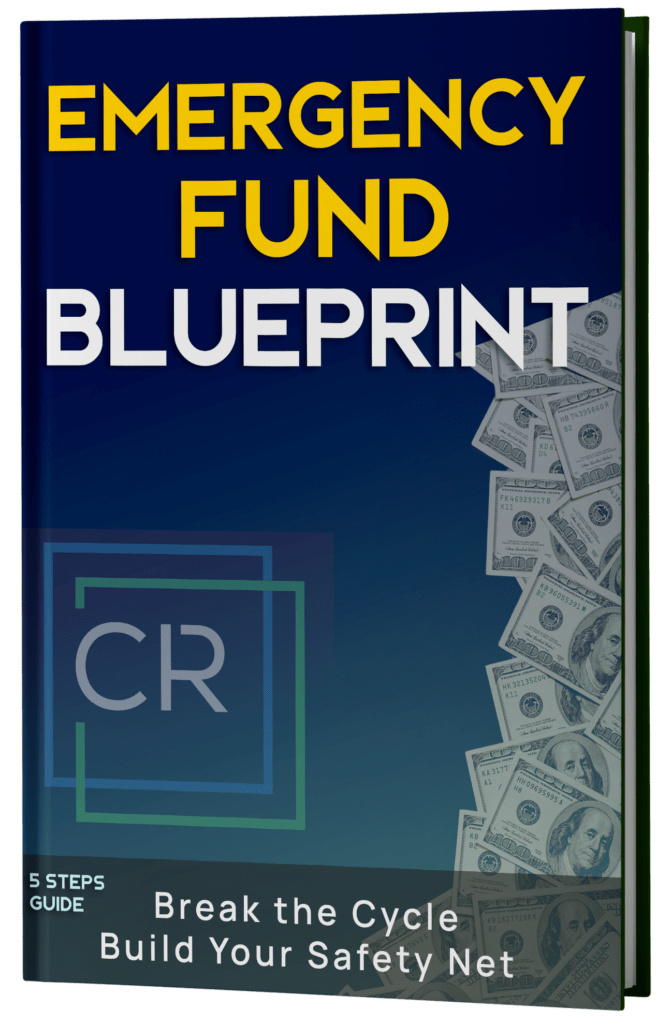
Free Guide: The Emergency Fund Build Formula
Reading about emergency funds doesn’t create security.
Having one does.
If you want to stop guessing, stop delaying, and stop wondering whether you’re actually protected, you need a clear system—not more advice.
The Emergency Fund Build Formula gives you exactly that.
Inside the guide, you’ll learn:
- How to calculate your exact emergency fund number
- Where to keep the money so it’s safe and accessible
- How to build the fund step by step without wrecking your cash flow
This isn’t a motivational download.
It’s a practical implementation guide. If financial peace matters to you, don’t bookmark this and “come back later.”
Download the Emergency Fund Build Formula now and put a real safety net in place—starting today.
For more tips follow us on our YouTube Channel