
If you’re new to investing or looking to open a brokerage account, Vanguard is a solid choice. Known for its low-cost index funds and ETFs, Vanguard also offers a straightforward platform for investors who prefer a long-term, buy-and-hold strategy. In this step-by-step tutorial, we’ll walk you through the process of opening an account, funding it, and buying or selling stocks and ETFs. While the interface might seem basic, this guide will help you navigate the essentials and learn how to use Vanguard effectively in order to avoid common pitfalls.
Step 1: Visit the Vanguard Website
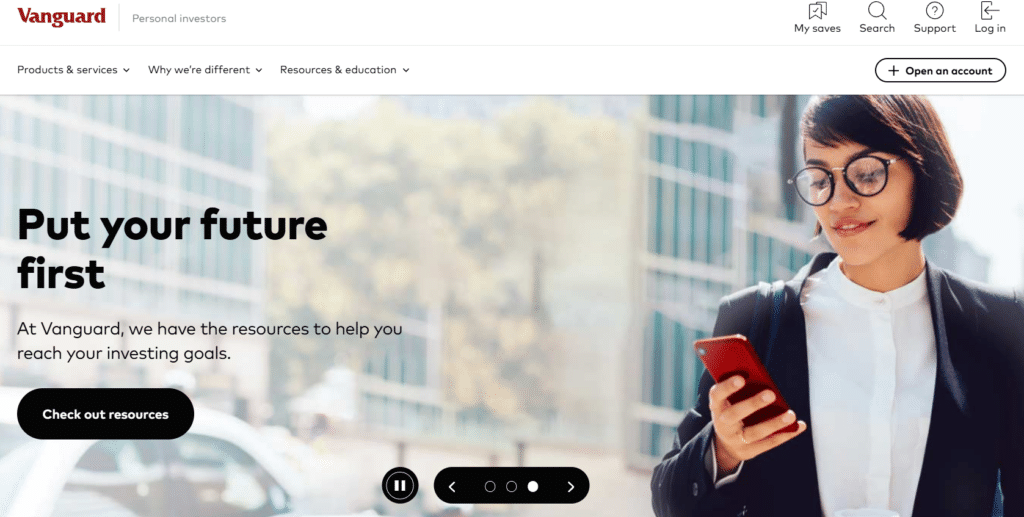
Start by heading to vanguard.com. Once there:
- Click on “Personal Investors” if you’re accessing from the homepage. Vanguard has different portals for various products, and this will bring you to the correct platform for brokerage accounts.
Step 2: Open a New Account
On the landing page for personal investors:
- Click “Open an account.”
- On the next page, click “Get Started.”
- You’ll see five different options. Choose “Open a new account with money from my bank” and click “Continue.”
Step 3: Decide How You Want to Invest
Vanguard offers two main paths:
- Let Vanguard help you (automated investment advice).
- Invest on your own.
For this tutorial, we’re selecting “Invest on my own.”
Before proceeding, you’ll see a checklist of the documents and information needed:
- U.S. permanent address
- Social Security number
- Employer address (if applicable)
Vanguard also mentions waiving a $25 annual service fee if you opt for paperless statements—a good option for most investors.
Step 4: Select Your Account Type
You’ll now choose from three types of accounts:
- Retirement Account
- General Investing or Emergency Savings (select this one for the tutorial)
- Education Account
Next, specify who the account is for:
- Myself
- Me and another adult
Then, choose the account type:
- Select “Individual Brokerage Account.”
You’ll now be informed that you’re opening a brokerage account. Click “Continue.”
Step 5: Provide Your Personal Information
You’ll be asked to provide:
- Name
- Home address
- Phone number
After entering this, you’ll review your information on a confirmation screen. If everything looks good, click “Continue.”
Next, set your:
- Username
- Password
- Security questions
Agree to Vanguard’s terms and conditions before continuing.
Step 6: Link and Fund Your Bank Account
After setting up your online access, log in to your new account.
- Click “Connect My Bank.”
- Choose to connect either directly or manually.
- For this tutorial, we use Capital One and connect directly by logging into the bank account.
Once the connection is approved, you’ll be able to:
- Select the funding account
- View account number and balance
Now, enter the amount you want to deposit (minimum $1). For demonstration purposes, we used $30.
Step 7: Choose Your Settlement Fund
Settlement funds are where your cash sits before it’s invested. Vanguard offers two options:
- Vanguard Cash Deposit (APY 2.75%) – Less risky, stable.
- Vanguard Federal Money Market Fund (4.28% yield) – Slightly riskier, but higher yield.
Choose the one that fits your preference. For this example, we picked the second option.
Step 8: Provide Employment and Financial Info
Now fill in:
- Employment status
- Income
- Net worth
- Source of funds
These details help Vanguard comply with financial regulations.
Then, you’ll describe the purpose of the account—in our case, growth.
Review all your information, agree to the terms, and click “Submit.”
Congratulations! Your Vanguard individual brokerage account is now open. Be sure to save your account number, as you won’t be able to return to the confirmation page.
Step 9: Wait for the Funds to Clear
Important note: Funds deposited by electronic bank transfer are subject to a 7-day hold before you can trade anything other than Vanguard mutual funds and ETFs. While this delay is frustrating, it’s part of Vanguard’s internal policy.
Step 10: Avoid the $25 Annual Fee
Once logged in, go to Account Settings and choose paperless delivery for all documents. This will waive the $25 annual fee, which is otherwise charged for mailed statements.
Step 11: Buy Your First ETF or Stock
Once the deposit clears, you’re ready to invest. Here’s how:
- Go to your dashboard and click “Buy and Sell Investments.”
- Under Trade Options, select “ETFs and Stocks.”
- You’ll need to accept several terms before being allowed to place a trade.
For this example, we planned to buy SCHD (Schwab U.S. Dividend Equity ETF), but due to the 7-day restriction, we couldn’t proceed.
Instead, we bought Vanguard’s VOO ETF, which tracks the S&P 500.
- Ticker: VOO
- Price: $533.64
- Account balance: $30
Luckily, Vanguard allows fractional ETF investing, meaning you don’t need the full price of one share. This only applies to ETFs and mutual funds, not individual stocks.
Choose:
- Action: Buy
- Amount: $20
- Order type: Market
- Preview and Submit Order
Step 12: Check Your Holdings
After purchasing:
- Head to the Holdings tab.
- View the ETF, price changes, and quantity owned.
You can also sell directly from the holdings page. Be cautious, though:
- Fractional shares may take an additional day to settle.
- Don’t attempt to sell the same security twice in one day.
- If funds haven’t fully settled, you may get a free-riding restriction.
Step 13: Explore ETF and Stock Profiles
To learn more about your investments:
- Go to the Invest Hub.
- Enter a ticker (e.g., VOO) to access its profile.
Vanguard provides basic information:
- Expense ratio
- Sector composition
- Historical chart (up to 10 years)
- Top holdings like Apple, Microsoft, Google, and Meta
However, research tools are limited compared to other platforms.
To check dividend history:
- Enter a stock ticker (e.g., Pepsi).
- Click “Historical Dividends.”
- Note: Only 3 years of dividend data is available—not ideal for deep research.
How To Use Vanguard – Final Thoughts
Vanguard’s trading platform is reliable but basic. It lacks the advanced analytics and sleek dashboards of other brokers like Fidelity or Schwab. Key takeaways include:
- Simple account opening process
- Fractional ETF investing
- Limited stock research tools
- 7-day hold period for new deposits
- Lots of small but notable restrictions
Still, Vanguard remains a trustworthy, low-cost choice for long-term investors, especially those focused on ETFs and index funds. If you prefer a hands-off investing approach or just want access to some of the best mutual funds on the market, Vanguard could be the perfect fit.
Pro Tip
Don’t forget to go paperless to waive the $25 annual account fee and monitor the settlement fund balance to know when your money is ready for use.
Now that you know how to use Vanguard, you’re ready to take control of your financial future—one ETF at a time.