
Most people don’t struggle with money because they earn too little — they struggle because they don’t know what to do when their paycheck arrives. Without a clear routine, income disappears into bills, spending, and stress before progress ever starts. Do this every time you get paid with a simple, repeatable system you can follow to regain control, reduce anxiety, and build momentum with your money. No extreme budgeting. No lifestyle sacrifice. Just a practical paycheck routine that works in real life.
Why Most People Stay Stuck Living Paycheck to Paycheck
Living paycheck to paycheck isn’t a sign of irresponsibility. It’s the predictable result of a system that never taught people what to do when their paycheck arrives.
For a short moment, things feel fine. The balance goes up. Bills seem manageable. There’s a sense of relief. But it fades quickly. Rent or the m0ortgage comes out. Groceries cost more than expected. Utilities, gas, subscriptions, and everyday spending quietly drain the account.
Then comes the familiar question:
Where did my paycheck go?
This isn’t just a low-income problem. Millions of people earning solid incomes — including $60,000, $80,000, and even six figures — still run out of money before the next payday. Rising costs and automatic spending have made this a common experience, not a personal failure.
The real issue isn’t income. It’s the lack of a clear system at the most important moment in the money cycle: payday.
Most advice focuses on monthly budgets or long-term goals, but ignores what happens in the first few hours after getting paid. Without structure, money defaults to reaction instead of intention. Bills get paid late. Saving gets postponed. Spending fills the gaps.
That’s why people feel stuck even when they try hard. They cut expenses. Restart budgets. Promise to do better next month. But without a repeatable routine, progress depends on whatever happens to be left at the end of the month — which is usually nothing.
This isn’t a willpower problem. It’s a systems problem.
And the good news is that it’s fixable. Not by tracking every dollar or giving up everything you enjoy, but by learning a simple routine that tells your money where to go before it disappears.
That routine starts the moment you get paid.
Why Payday Is the Most Important Moment in Your Money System
Most money problems don’t happen gradually — they happen the moment a paycheck arrives.
When income hits an account without a plan, spending immediately takes over. Bills pull first. Small purchases add up. Saving gets postponed. By the time most people “check their budget,” the money is already gone.
That’s why so many budgeting attempts fail. They focus on tracking what already happened instead of directing what should happen next.
Payday is the one moment when money is flexible. Decisions made in those first hours determine whether the month feels controlled or chaotic. Without structure, money reacts to pressure. With structure, money follows priorities.
This is where a payday routine changes everything.
Instead of guessing what can be spent, saving happens automatically. Bills are handled early. Spending becomes intentional instead of stressful.
Get payday right, and the rest of the month becomes easier — fewer surprises, fewer late payments, and far less anxiety around money.
And the good news is that this doesn’t require complex budgeting or sacrifice. It requires a simple routine applied every time you get paid.

Do This Every Time You Get Paid: A Simple Paycheck Routine That Works
This routine is designed to be repeated every time income arrives. It doesn’t rely on motivation, complex tracking, or perfect discipline. Each step builds on the one before it, creating clarity and momentum instead of stress.
Step 1 — Pay Yourself First (Before Anything Else)
The first rule of a strong paycheck routine is simple: save something the moment you get paid.
Most people try to save whatever is left at the end of the month. The problem is that there’s rarely anything left. Expenses expand to fill the space available, and saving gets pushed aside again and again.
Paying yourself first flips that pattern.
As soon as your paycheck hits, move a small amount — even $10 or $20 — into savings. The amount matters far less than the timing. This step should happen automatically, without requiring a decision each time.
Treat this transfer like a non-negotiable bill. It’s not extra money. It’s money already assigned a job.
This one habit creates momentum fast. Savings stop feeling optional. Progress becomes consistent instead of accidental. Over time, those small transfers add up far faster than expected.
More importantly, this step changes identity. Instead of someone who tries to save, you become someone who always saves something.
Skipping this step almost guarantees that saving will always feel difficult. Doing it first ensures that progress happens — no matter how busy, unpredictable, or imperfect the rest of the month becomes.
Step 2 — Cover Your Essentials First and Automatically
Once you’ve paid yourself, the next priority is covering your non-negotiables.
This includes housing, utilities, insurance, transportation, groceries, and minimum debt payments. These are the expenses that keep life functioning. Everything else comes later.
The key here is automation.
Set these essentials to autopay whenever possible. When bills are handled automatically, you remove late fees, mental clutter, and the constant stress of wondering what’s due and when. Money stops reacting to emergencies and starts following a plan.
If income feels tight, don’t overcomplicate this step. Focus only on true essentials — not subscriptions, upgrades, or optional expenses. The goal is stability, not perfection.
Covering essentials early creates a solid foundation. Once the basics are handled, the rest of your money decisions become calmer and more intentional. You’re no longer juggling priorities or guessing what’s safe to spend.
When essentials are automated, surprises decrease — and financial control increases.

Step 3 — Do a Quick Debt and Credit Check
Before moving on with the rest of your paycheck, take two minutes to review any credit cards, loans, or outstanding balances.
This isn’t about obsessing — it’s about awareness.
If you can pay credit cards in full, do it. That keeps interest from quietly draining your money. If full payoff isn’t possible yet, always make at least the minimum payment on time. Late payments are expensive and damage progress fast.
Whenever possible, add a small extra payment — even $10 or $20 — toward the highest-interest balance. Small amounts applied consistently can save hundreds, or even thousands, over time.
This is also the moment to scan for forgotten subscriptions or unexpected charges. Catching even one unnecessary expense creates breathing room for the next paycheck.
Facing debt regularly removes fear and puts you back in control. Avoiding it does the opposite.
Handled consistently, this step prevents small issues from turning into long-term setbacks.
Step 4 — Spend What’s Left With Clear Boundaries
After savings and essentials are handled, whatever remains is yours to spend.
This is where many systems break down — not because of spending itself, but because there are no boundaries. When discretionary money sits in the same account as bills and savings, it’s easy to overspend without realizing it.
Create a clear separation.
Use a dedicated checking account, debit card, or clearly defined spending limit for non-essential purchases like dining out, entertainment, hobbies, or small treats. This allows you to enjoy your money without guilt or second-guessing.
The rule is simple: when that spending amount is gone, it’s gone.
There’s no dipping into savings and no borrowing from next month. Boundaries protect progress without removing enjoyment. You don’t need to feel restricted — you just need clarity.
When spending has limits, decisions become easier. You know exactly what’s safe to use, and you can enjoy it fully without worrying about future consequences.
Step 5 — Review and Refine Once a Month
This final step is what turns a routine into a system.
Once or twice a month, take five minutes to review what happened. Look at savings, bills, debt, and spending. Ask three simple questions:
- What worked?
- What didn’t?
- What should change next time?
The goal isn’t perfection — it’s adjustment.
Maybe spending runs out too fast. Maybe savings can increase slightly. Maybe a subscription no longer makes sense. Small tweaks compound over time.
This review keeps the routine realistic and sustainable. As income changes or life shifts, the system adapts with you.
People who build lasting financial progress don’t rely on rigid rules. They refine their approach regularly. That’s how momentum grows — one paycheck, one adjustment at a time.

How This Routine Helps You Break the Paycheck-to-Paycheck Cycle
Living paycheck to paycheck isn’t caused by one bad decision. It’s caused by a lack of structure at the moments that matter most.
This routine works because it removes guesswork. Saving happens first. Essentials are handled early. Debt stays visible. Spending has limits. And regular review keeps everything aligned with real life.
Instead of reacting to money, you lead it.
Over time, the effects compound. Stress decreases because bills are covered. Confidence grows because savings become consistent. Spending becomes intentional instead of emotional. Progress feels predictable rather than accidental.
The biggest shift isn’t financial — it’s psychological.
When money has clear jobs, decisions feel lighter. You stop asking whether you’re “doing enough” and start seeing real momentum. Even small improvements add up when they happen every paycheck.
This is how people move from barely getting by to quietly building stability and wealth — not through extreme budgeting or perfect discipline, but through repeatable systems that work in real life.
What to Do Next (And How to Stay Consistent)
The hardest part of managing money isn’t knowing what to do — it’s doing it consistently.
That’s why the next step is simple: apply this routine the very next time you get paid.
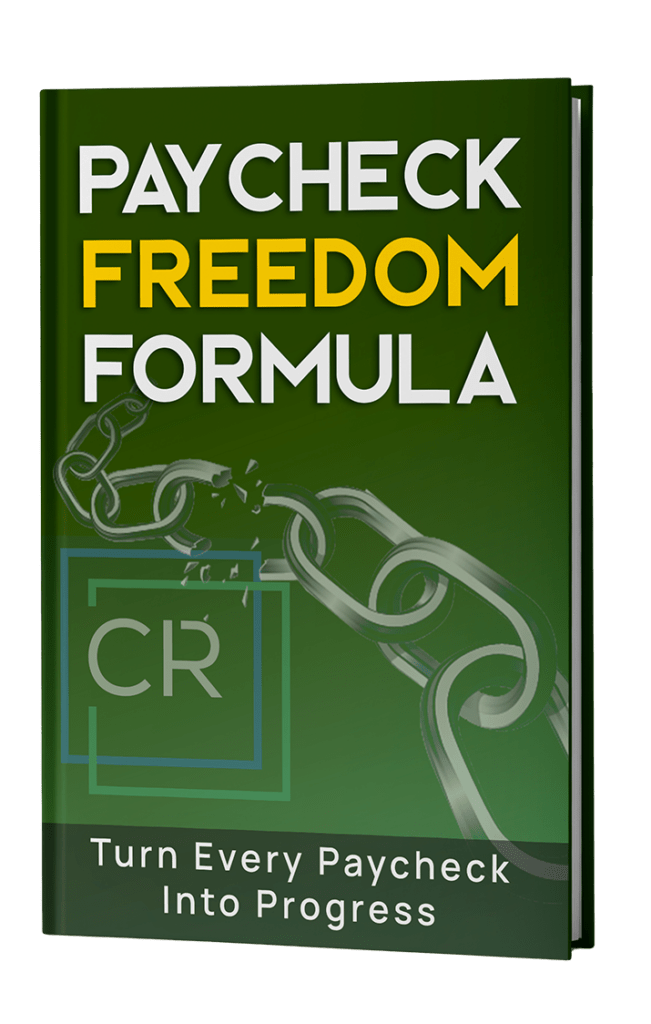
To make that easier, Capital Refined offers a free checklist and worksheet designed to walk through this process step by step. It helps you organize each paycheck, reduce mental clutter, and build consistency without overthinking.
Use it as a reference, a reset, or a reminder — especially during busy or stressful months.
Financial progress doesn’t come from massive changes. It comes from small, correct actions repeated over time.
Refine the routine. Repeat it every paycheck. And let momentum do the rest.
For more tips follow us on our YouTube Channel